
How AI Will be Used in Technology
What is Artificial Intelligence?
Navigating the Challenges of Staffing a Modern Prosecutor Office

Authors: PCE, PCE’s National Best Practices Committee (NBP)
Maybe you’re facing staffing shortages. Maybe recruiting new lawyers and support staff hasn’t been fruitful. Or maybe you’re having trouble keeping up with the many roles that prosecutors must now take on. See our guide on navigating these challenges and more:
Investigative Uses of video doorbells: A Guide for Prosecutors

Author: PCE
A new form of evidence can now be found at millions of households across the country. The video doorbell, a device providing a live stream from the front door directly to a person’s phone, has already been used as evidence in countless cases. See how it can be used, the challenges of using a device, and more in our guide for prosecutors:
PCE NBP: Keeping Kids Safe

On November 15th, 2024 PCE hosted a National Best Practices Committee meeting on programs of keeping kids safe in communities. Read PCE’s publication, The Future of Prosecutor Community Outreach: Youth Programs.
Read MoreProsecutor Initiatives to Reduce Gun Violence
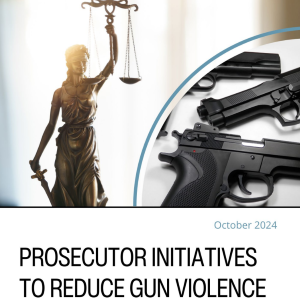
Authors: CJPL and PCE
2024 National Prosecution Best Practices Conference- The Prosecutor Office of the Future: Practice and Policy

PCE, PCE’s National Best Practices Committee, and the Salt Lake County DA’s Office hosted the 4th National Prosecution Best Practices Conference in Salt Lake City on October 7th and 8th, 2024. Prosecutors from across the country attended the two-day conference to learn from subject matter experts and participate in breakout room discussions. For more information, visit the conference website.
PCE Pop-Up: How Prosecutors Help Fight Workplace Crimes and Injustice Part 2

On September 16, 2024 PCE and AE co-hosted a webinar with NYU Wagner Labor Initiative about Workplace Crime and Injustice, a sequel to our PCE Pop-Up: PCE Videos: How Prosecutors Help Fight Workplace Crimes and Injustice.
Read MorePCE NBP: Artificial Intelligence – Part 2

On September 13, 2024, PCE hosted a National Best Practices Committee meeting Artificial Intelligence Part 2.
Read More